Fleet fuel cards enhance driver accountability through transaction tracking and reporting. They also support safety through purchase controls, real-time monitoring and data analysis. Traditional payment methods offer limited visibility into driver behavior. Fleet cards create transparency, helping to promote responsible behavior while providing information to help identify safety concerns before they lead to incidents. When drivers know their fuel purchases and vehicle usage are being monitored, they often adopt more careful driving habits and follow company policies more consistently. Exxon Mobil fleet cards help provide accountability tools and safety features to help businesses manage driver behavior.
Improve driver accountability with essential tracking features with Exxon Mobil BusinessPro™.
Fleet cards assign every fuel purchase to a specific driver or vehicle, creating transparency in fuel usage.
Creating Transparency Through Transaction Tracking
Fleet cards tie every purchase directly to a driver or vehicle, creating clear fuel transparency. This transaction-level tracking captures when purchases occur, where they take place, and how much fuel is consumed. The visibility helps create accountability because drivers understand their actions are being recorded and reported. This transparency often encourages adherence to company policies without constant supervision. When drivers know they will be held accountable for their fuel usage, they often demonstrate more responsible behavior.
Identifying Unsafe Driving Patterns Through Fuel Data
Fuel consumption patterns can reveal unsafe driving behaviors such as aggressive acceleration, excessive speeding or unnecessary idling. Fleet card data helps managers spot unusually high fuel usage, often a sign of unsafe driving. Vehicles consuming significantly more fuel than comparable units often have drivers who accelerate harshly, brake suddenly or maintain excessive speeds. By analyzing driver fuel usage, fleet managers can identify individuals who may benefit from additional safety training or coaching.
Monitoring Vehicle Usage and Detecting Unauthorized Activity
Fleet card transaction records include timestamps and locations, helping managers monitor when and where vehicles are being operated. Unusual patterns, such as fueling during off-hours, purchasing at unexpected locations, or excessive mileage, can indicate unauthorized vehicle use. Early detection of these anomalies helps businesses address potential safety and liability issues before they escalate. Real-time alerts can notify managers when suspicious activity occurs, enabling quick investigation and intervention.
Enforcing Fueling Policies for Safety Compliance
Fleet cards can help enforce safety-related policies automatically through purchase restrictions.. Geographic restrictions ensure fueling occurs only at approved locations, while time-based controls can restrict purchases to operational hours. These automated controls help reduce the risk of policy violations, which could compromise vehicle safety or regulatory compliance.
Fleet card transaction records include timestamps and locations, helping managers monitor when and where vehicles are being operated.
Supporting Driver Training with Performance Data
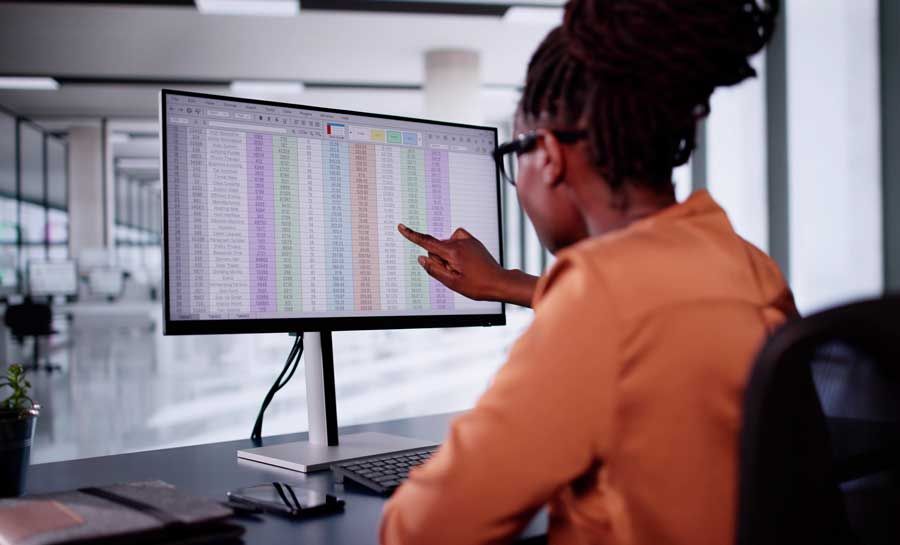
Detailed fuel data gives managers clear metrics to evaluate drivers and target training. Fleet managers can spotlight top fuel-efficient drivers as role models while directing extra training to those who need it. Performance data enables coaching conversations based on facts rather than subjective impressions. When drivers receive specific, data-supported feedback, they are more likely to modify their behaviors and improve safety practices.
Reducing Fatigue-Related Incidents Through Monitoring
Transaction data can help identify patterns indicating driver fatigue. Multiple fueling stops during a single shift, fueling at unusual times, or erratic purchasing patterns might suggest drivers are working excessive hours or not following proper rest schedules. While fleet cards do not directly monitor hours of service, transaction patterns can provide early warning signs prompting further investigation. Addressing fatigue proactively helps reduce the risk of accidents and supports driver well-being.
Incentivizing Safe Driving Through Recognition Programs
Fleet card data helps businesses implement recognition and incentive programs to reward safe driving behaviors. Drivers who demonstrate efficient fuel usage, consistently follow policies, and maintain good safety records can be recognized and rewarded. These programs often motivate drivers to maintain high standards and foster a culture of safety. Objective data from fleet card systems helps ensure recognition is based on actual performance rather than subjective assessments.
Maintaining Vehicle Safety Through Usage Tracking
By capturing odometer readings and usage hours, fleet cards help businesses track mileage and stay on top of vehicle maintenance. Regular maintenance is essential for vehicle safety, and deferred maintenance increases the risk of breakdowns and accidents. Tracking mileage and road time through fuel cards helps businesses schedule preventive maintenance and ensure critical systems, like brakes, tires, and steering, are inspected regularly. This approach helps maintain vehicle safety and reduces the risk of mechanical failures.
Documenting Compliance for Liability Protection
Fleet card transaction records provide the documentation a fleet manager needs to support liability protection and regulatory compliance. In the event of an accident, detailed fuel, usage, and maintenance records help establish the facts and protect the business. Electronic records are often more reliable and easier to retrieve than paper receipts or manual logs. This documentation can support insurance claims, legal proceedings, or regulatory audits. Compare Exxon Mobil programs to explore your options.
Fleet fuel cards can boost driver accountability and safety by driving transparency, real-time monitoring, and clear data insights. Exxon Mobil fleet cards provide the tracking capabilities and controls needed to promote responsible driver behavior and help maintain fleet safety.
Visit exxonmobilfleetcards.com to explore accountability solutions for your fleet operations.