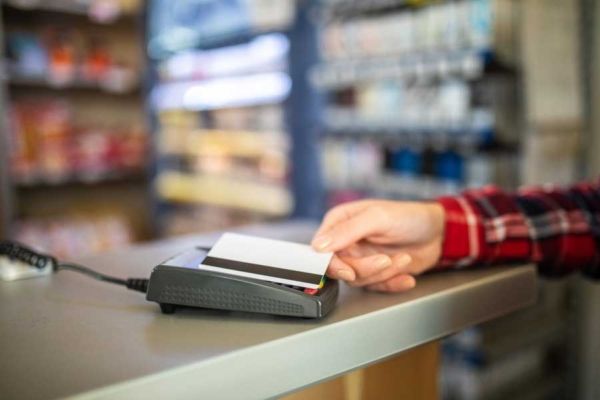
Fuel card purchase restrictions help businesses control unauthorized fleet purchases through merchant category controls, spending limits, geographic restrictions, and automated enforcement. Together, these controls prevent off-policy transactions before they occur. Unlike traditional payment methods like cash or credit cards, which offer little control over unauthorized purchases and drive up costs, fleet cards let you restrict spending.
Fleet cards can be restricted to fuel-only merchants, preventing use at restaurants, retail stores, entertainment venues or other non-fleet-related locations.
Exxon Mobil fleet cards provide purchase control capabilities to help businesses prevent unauthorized spending and maintain policy compliance. These fleet fuel cards are designed to provide granular control over what can be purchased, where cards can be used, and how much can be spent. Restrictions work automatically to enforce company policies without requiring constant oversight.
Ready to control unauthorized purchases? Apply for an Exxon Mobil BusinessPro™ fleet card for essential purchase controls.
Understanding Common Unauthorized Purchase Risks
Unauthorized purchases in fleet operations take many forms, including:
- Personal fuel purchases by employees
- Purchase of incorrect fuel types
- Buying non-fuel items, such as convenience store products
- Services or repairs at unauthorized facilities
- Excessive spending beyond policy limits.
When businesses use traditional payment methods, unauthorized purchases often go undetected for weeks. Fleet card restrictions are designed to address these specific risks by preventing problematic transactions at the point of sale.
Implementing Merchant Category Restrictions
Merchant category codes enable fleet card systems to identify a type of purchase before processing a transaction. Fleet cards can be restricted to fuel-only merchants, stopping drivers from using them at restaurants, retail stores, or entertainment venues. This category-level control typically eliminates the most common forms of unauthorized spending by ensuring cards can only be used for their intended purpose.
Setting Transaction and Daily Spending Limits
Spending limits serve as a safety mechanism to prevent individual transactions or daily spending from exceeding reasonable limits. maybe change to this: Capping a fleet card at $150 per transaction and $300 per day limits financial loss if a card is lost or stolen. Managers can easily customize these limits by vehicle, driver role, or job requirement.
When limits are reached, transactions are automatically declined, providing immediate enforcement without requiring manager intervention. Businesses can adjust limits as needed to balance operational flexibility with financial control.
Applying Geographic and Location-Based Controls
Geographic restrictions limit card use to approved regions or designated fuel stations. Businesses can restrict cards to specific states, regions, or radiuses around company hubs.. Location-based controls help prevent the use of company cards during personal travel or unauthorized trips. For fleets with defined service territories, geographic restrictions provide an additional layer of protection against misuse. These controls can be configured to align with operational requirements while preventing out-of-territory usage.
Enforcing Time-Based Purchase Windows
Time-based restrictions block card use outside normal operating hours, preventing off-shift transactions. Cards might be restricted to weekday business hours or to specific shift times, depending on driver schedules. After-hours purchases often indicate personal use or unauthorized activity, and time restrictions help eliminate this exposure. Businesses operating 24/7 can set different time windows for different vehicles or drivers based on actual work schedules. This flexibility enables appropriate controls without creating operational constraints.
Time-based restrictions limit when fleet cards can be used, preventing transactions during off-hours or outside normal business operations.
Creating Driver- or Vehicle-Specific Restriction Profiles
Fleet card systems typically allow businesses to create different restriction profiles for different vehicles or drivers based on their specific roles and requirements. Long-haul trucks might have higher spending limits and broader geographic access than local delivery vehicles. Senior drivers might have more purchasing authority than newer employees. This profile-based approach enables businesses to tailor restrictions appropriately while maintaining policy compliance. As operations change, restriction profiles can be updated to reflect new requirements.
Monitoring and Alerting for Policy Violations

Even with restrictions in place, businesses benefit from monitoring systems. Real-time alerts can notify managers of declined transactions, multiple purchase attempts, or patterns indicating potential problems. These alerts enable quick investigation and response before minor issues become significant problems. Alert thresholds can be customized around your top priorities. Paired with purchase restrictions, real-time monitoring and alerts build a complete control system.
Reviewing and Refining Restrictions Over Time
Effective purchase control requires periodic review of restriction settings to ensure they remain appropriate as operations evolve. Businesses should evaluate whether restrictions are preventing legitimate business needs, whether additional controls would be beneficial, and whether current settings are being enforced effectively. Fleet card reporting provides data about declined transactions and policy violations. With this information, fleet managers and business owners can refine and optimize restriction settings. This approach helps businesses maintain a balance between control and operational flexibility.
Controlling unauthorized fleet purchases requires proactive restrictions to prevent problematic transactions before they occur. Exxon Mobil fleet cards provide purchase control tools to help businesses enforce policies automatically and reduce unauthorized spending.
Visit exxonmobilfleetcards.com to learn more.