Fleet card fraud is one of the most costly and preventable challenges in fleet management. With hundreds of daily transactions spanning gas stations, repair shops and highway stops across the U.S., the need for airtight control, real-time tracking, and smart analytics has never been more urgent. For fleet managers, securing vehicle fuel expenses is about more than reducing waste — it’s all about gaining insight into driver behavior, improving operational efficiency that every gallon purchased aligns with business goals.
Each card can also be configured to require specific prompts, such as driver PINs, vehicle IDs or odometer readings at the pump. These requirements help eliminate unauthorized transactions and provide detailed data points for backend analytics.
Understanding the Problem: How Fraud Impacts Fleet Operations
Fraudulent fuel purchases, unauthorized use of company cards and manipulation of odometer readings or transaction data can wreak havoc on budgets. Whether it’s drivers filling up personal vehicles or misusing cards at unauthorized locations, the cost can accumulate quickly. Fraud undermines trust, distorts reporting and inflates maintenance and fuel costs — critical areas that significantly impact the health of fleet operations.
Here’s a snapshot of how fraud can affect operations:
- Drivers may fill up personal vehicles on company accounts.
- Fuel purchases at non-approved stations often go unnoticed.
- Lack of data visibility makes misuse harder to detect.
- Fraud inflates fleet expenses and reduces efficiency.
ExxonMobil fuel cards are specifically designed to help fleet managers mitigate these risks through a robust suite of control and monitoring tools. These controls enable businesses to manage expenses and compliance without compromising essential services.
Card-level Controls: Setting the Foundation for Security
The first step in fraud prevention starts at the card level. ExxonMobil fleet fuel cards allow managers to customize spending limits by card or driver. From setting daily dollar maximums to restricting purchases based on fuel type (diesel vs. regular gas) and limiting transaction windows to business hours, this granularity helps every swipe align with fleet policy.
Each card can also be configured to require specific prompts, such as driver PINs, vehicle IDs or odometer readings at the pump. These requirements help eliminate unauthorized transactions and provide detailed data points for backend analytics. With these tools, managers can modify controls in real-time, responding to suspicious activity or tightening restrictions based on usage patterns.
Summary of fleet card controls:
- Set daily or weekly spending limits per card or driver.
- Restrict purchases by fuel type (e.g., diesel only).
- Limit purchases to business hours or specific days.
- Require driver PINs and odometer inputs at the pump.
- Adjust restrictions instantly through online account management.
Real-time Alerts and Reporting: Visibility that Deters Fraud
Visibility is power. With ExxonMobil’s fleet card platform, managers receive real-time alerts that flag anomalies, such as fuel purchases outside authorized zones, over-limit transactions or repeated card use within short timeframes. These notifications serve as immediate deterrents to internal misuse, providing managers with the opportunity to intervene before minor issues escalate.
Detailed reporting, available via both desktop and mobile platforms, enables administrators to review transactions by driver, vehicle, location and time. Consolidated invoicing and historical usage reports allow businesses to identify trends, forecast fuel costs and uncover discrepancies across their operations.
Geofencing and Station Restrictions: Keep Spending on Track
Through the integration of geofencing tools, ExxonMobil Fleet Cards allows managers to create geographic boundaries around approved service and fuel locations. If a card is used outside the geofenced area, an alert is triggered or the transaction can be automatically declined. Fuel card usage remains within the operational footprint of the business, reducing the risk of side jobs or personal vehicle refueling.
Restricting fuel purchases to ExxonMobil stations — over 12,000 across the U.S. and 800+ commercial fueling locations — fleet managers can qualify for rebates of up to 6¢ per gallon, depending on monthly fuel volume.
Integrated Mobile App and Driver Tools: Enhancing Accountability
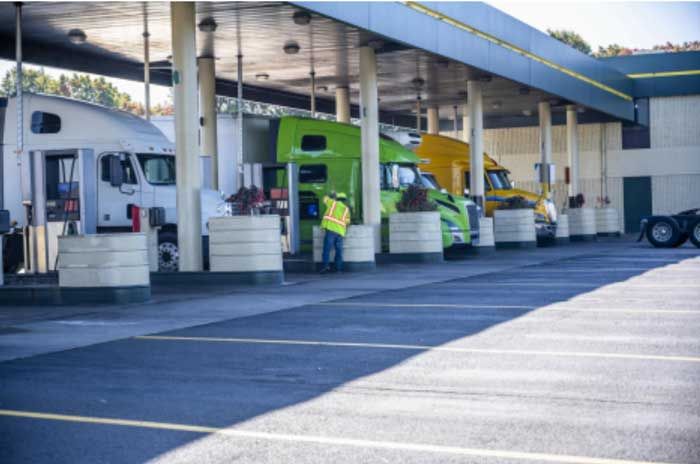
The ExxonMobil fleet fuel card mobile app empowers drivers with accountability while providing fleet managers with operational transparency. Drivers can locate the nearest ExxonMobil station, view customized pricing and access contactless payment options at the pump. These tools help reduce the likelihood of errors or accidental misuse while enabling businesses to push updates, new limits or policy changes instantly.
Mobile tools also simplify administration. Paperless receipts, automatic fuel accounting, and digital invoice generation eliminate the need for drivers to manually track and submit fuel data, reducing human error and helping to improve record-keeping compliance.
Layered Protection: Combining Controls for Increased Security
Fraud prevention is most effective when multiple tools are used in tandem. For instance, requiring PIN authorization and odometer entry, restricting fuel types and spending limits, and deploying geofencing together can create a comprehensive firewall against misuse. When these controls are combined with real-time alerts and automated reporting, fleet managers can build a responsive system that flags risk, prompts action and helps preserve every dollar allocated for fuel. This layered approach is essential for businesses operating in high-risk industries like construction, logistics or long-haul transportation, where fleet sizes are large and activity is constant.
Saving More than Money: Operational Benefits of Control
While the direct financial benefits of preventing fraud are obvious, the broader impact on operations can be even more significant. Accurate, controlled spending helps lead to better forecasting, a reduced administrative burden and improved compliance. With fewer discrepancies, finance teams spend less time investigating errors and more time optimizing budgets.
Maintaining strong fuel card controls enhances trust between drivers and management. When drivers know that spending is monitored and fairness is prioritized, morale can improve and turnover can decline. This cohesion is especially crucial in a competitive labor market, where driver retention significantly impacts overall service delivery.
Whether you’re a small business with a handful of vehicles or a nationwide operation with hundreds of trucks, controls can be tailored to match your needs. From seasonal changes in spending to geographic expansions, ExxonMobil’s support team helps businesses evolve their security protocols over time.
Customizing Controls Based on Business Needs
ExxonMobil recognizes that no two fleets are the same. That’s why their fuel card solutions are scalable and adaptable. Whether you’re a small business with a handful of vehicles or a nationwide operation with hundreds of trucks, controls can be tailored to match your needs. From seasonal changes in spending to geographic expansions, ExxonMobil’s support team helps businesses evolve their security protocols over time.
With 24/7 customer service, managers can resolve issues or adjust settings promptly, helping ensure uninterrupted fuel access without compromising safety.
These are a few of the ways ExxonMobil fuel cards can be scaled or adapted to your business:
- Small businesses can start with basic controls and scale up.
- Large enterprises can create department-level policies.
- Modify limits seasonally or based on geography.
- Get support from ExxonMobil’s 24/7 customer service team.
- Adjust card settings as your fleet grows or shifts.
Fraud Prevention as a Strategic Advantage
For today’s fleet managers, the real cost of fuel card fraud goes beyond a few unauthorized fill-ups. It touches every aspect of fleet performance — from driver behavior and maintenance schedules to tax compliance and customer service. By using advanced control features, real-time reporting, and geofencing tools, businesses can transform fuel management from a vulnerability into a strategic asset.
To learn more about ExxonMobil Fleet Cards and discover how you can tailor controls for your unique fleet needs, visit exxonmobilfleetcards.com.